
As the days grow shorter here in the Pacific Northwest, our routines often need a little attention. Cooler mornings, busy calendars, and less daylight can make it harder to find time for movement, nourishing meals, and rest.
Throughout October, our Longevita newsletters explored ways to care for yourself through those changes. We talked about building strength, making breakfast easier, understanding your body, and giving recovery a place in your routine.
The thread connecting it all? Small, realistic habits can help you keep doing the things you love.
Remember What You’re Training For
We opened the month with a reminder to look beyond an individual fitness goal and consider the life it supports.
Getting stronger might mean carrying groceries more comfortably. Improving mobility might help you get down to the floor with your grandchildren. Building stamina might make your next vacation more enjoyable.
Those everyday moments give your movement routine a purpose. When motivation feels low, ask yourself: What do I want my body to help me keep doing?
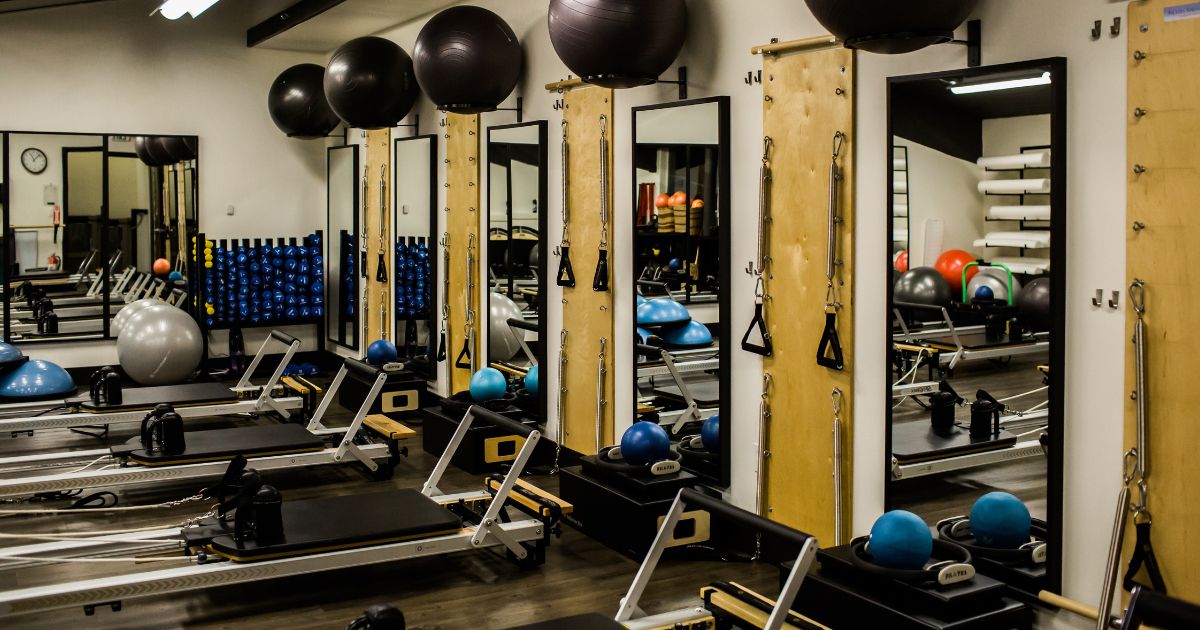
At Longevita Pilates & Yoga Studio in Auburn, Washington, that connection between movement and daily life guides how we teach.
Bring a Little Pumpkin to Your Plate
October’s seasonal food spotlight was pumpkin – and it can go well beyond pie.
Our newsletter shared four simple ways to use plain pumpkin purée:
- Stir it into oatmeal with cinnamon and vanilla.
- Blend it into a smoothie with banana and your preferred milk.
- Add a little to chili or stew for a thicker texture.
- Use it as a base for a savory pasta sauce.
Choose 100% pure pumpkin rather than pumpkin pie filling when you want to control the sweetness and seasonings. A familiar ingredient used in a new way can make everyday meals more interesting.
Make Your Fall Routine More Manageable
A better routine doesn’t always require adding another task. Sometimes it starts with letting go of a habit that makes taking care of yourself harder.
We explored four examples: staying up later than needed, relying on meals that leave you unsatisfied, reaching for your phone immediately upon waking, and waiting for motivation before moving.
You don’t need to change everything at once. An earlier bedtime, a few quiet minutes in the morning, or a class already on your calendar can give your day a steadier rhythm.
Choose one adjustment you can realistically repeat.
Give Breakfast a Protein Check
Busy mornings can leave breakfast feeling like an afterthought. Our breakfast newsletter offered five ways to make protein easier to include:
- Greek yogurt with berries and hemp hearts.
- Overnight oats with protein powder.
- Cottage cheese and fruit.
- A smoothie with protein powder and nut butter.
- An egg and cheese wrap with extra egg whites.
Portions and product choices matter, so check labels when aiming for a particular protein amount. Dairy-free options can work, too, although plant-based milks and yogurts vary widely in protein.
The practical takeaway: choose a breakfast you enjoy and keep its ingredients available. A little preparation makes a busy morning easier.
Protect the Strength That Supports Your Independence
Our muscle-health newsletter looked at age-related changes in muscle mass, strength, and function, including sarcopenia.
The encouraging message was that strength remains worth working on as we age. Resistance training can support the ability to climb stairs, carry a suitcase, garden, and move through daily life with greater confidence.
We focused on consistent resistance exercise, adequate nourishment, and a routine connected to meaningful goals. The right starting point depends on your current abilities and experience, with the challenge increasing gradually as you progress.
If you’re unsure how strength training fits into your week, ask us. Our instructors can help you explore appropriate classes or private sessions.
Keep a Short Workout Available for Busy Days
Some days, your usual class or workout won’t fit. Having a shorter option can help you keep movement in your day.
October’s 15-minute routine combined walking or marching with counter push-ups, chair sit-to-stands, supported dumbbell rows, and standing side leg lifts. It included a warm-up beforehand and an easy cool-down afterward.
The emphasis was on control, comfortable movement, and rest as needed – not racing through rounds.
A shorter session gives you a manageable option when your schedule changes. Adapt the movements to your abilities, and seek guidance if you’re uncertain about an exercise.
Pay Attention to Rest as the Seasons Change
We also explored seasonal sleep and fatigue, especially as daylight becomes more limited in the Pacific Northwest.
Our sleep newsletter encouraged readers to pay attention to their own patterns and give rest a consistent place in the day. A steady sleep schedule, opportunities for daylight, and a calmer evening routine were part of that conversation.
Rather than assuming everyone needs the same seasonal adjustment, notice what helps you feel rested. Persistent or unusual fatigue deserves a conversation with your healthcare professional.
Support Your Health Through Cold and Flu Season
Our immune-health newsletter returned to everyday habits: sleep, nourishing meals, regular movement, handwashing, and fresh air or better ventilation.
It also included staying home when sick and keeping up with recommended vaccinations.
No single food, supplement, or workout guarantees that you won’t get sick. The focus was on practical habits that support your health and show consideration for the people around you.
At the studio, caring for yourself also means caring for our community.
Give Yourself Time to Cool Down
It can be tempting to finish the last exercise and immediately rush to the next appointment.
Our cool-down newsletter encouraged a gentler transition: a few minutes of easy movement, comfortable stretches, and quiet breathing before heading out.
This is a chance to let your breathing settle and notice how your body feels. Give those final minutes a place in your workout plans, just as you would the warm-up.
Get to Know Your TFL and IT Band
Our additional anatomy newsletter explored a common question: why does the outside of the thigh feel tight?
The tensor fasciae latae, or TFL, is a muscle near the front and outside of the hip. It connects into the iliotibial band, or IT band, a strong band of connective tissue along the outer thigh.
Because the IT band isn’t a muscle, aggressively trying to stretch it may not address the reason for discomfort. We discussed how activity demands, hip strength, coordination, and exercise position can influence how the surrounding muscles share the work.
The TFL has a useful role; the aim is to help the whole hip system work effectively. Persistent or worsening discomfort calls for an assessment by a qualified healthcare professional.
Choose Your Next Small Step
October’s newsletters offered plenty of ideas, but you don’t need to turn them into a long to-do list.
Choose one: prepare a protein-containing breakfast, book a class, make time for a cool-down, or begin winding down a little earlier.
At Longevita, we’re here to help you feel calm, strong, and capable – with movement and guidance that meet you where you are.
Want more practical tips on movement, healthy habits, and living well longer? Visit our website to sign up for Longevita newsletters.
Shelia
Longevita Pilates & Yoga Studio
Auburn, Washington
Love. Life. Longer.