
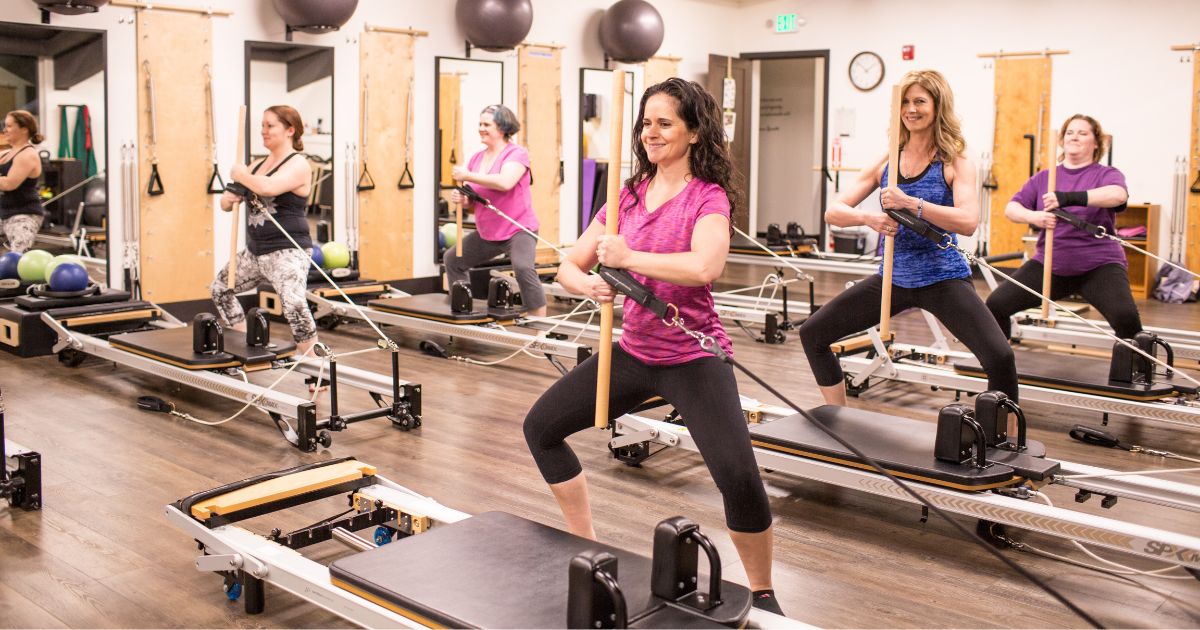
July’s newsletters shared one important message in many different ways:
The choices we make today shape how we feel, move, and live in the years ahead.
Healthy aging is not created by one perfect workout, one ideal meal, or one dramatic lifestyle overhaul. It is built through practical habits repeated over time – strengthening your body, supporting your metabolism, improving mobility, preparing nourishing foods, and removing some of the obstacles that make healthy choices harder.
Here are some of the most important lessons we explored this month.
Your Goal Is Bigger Than the Exercise
Many people begin an exercise program with a goal such as losing weight, becoming stronger, improving balance, or reducing pain.
Those are worthwhile goals, but the real reason behind them is often much more meaningful.
You may want to be strong enough to carry your groceries, travel comfortably, play with your grandchildren, work in the garden, improve your golf game, recover from surgery, or continue living independently.
The exercise is not the ultimate goal.
The life you want to keep living is the goal.
That is why movement should not only be about burning calories or completing a certain number of repetitions. Your workouts should help you become more capable, confident, and resilient in everyday life.
Strength You Can Actually Use
One of the simplest functional exercises is carrying weight on purpose.
Farmer carries, suitcase carries, grocery bags, loaded walks, and other carrying exercises train much more than your arms.
When you carry something heavy enough to notice, your hands grip, your shoulders stabilize, your core supports your spine, and your hips and legs work together to keep you moving.
Carrying can help support:
- Grip strength
- Posture
- Core stability
- Bone loading
- Balance
- Everyday confidence
It is strength training that directly connects to real life.
The goal is not to struggle with every load. It is to gradually prepare your body so daily tasks feel easier and safer.
Your Bones Respond to What You Ask of Them
Bones are not lifeless structures that simply hold the body upright. Bone is living tissue that is constantly changing.
Your bones respond to the demands you place on them.
When you regularly perform weight-bearing and resistance exercises, your body receives the message that stronger bones are needed. When those demands disappear, bone strength can gradually decline.
Pilates, yoga, strength training, walking, balance work, resistance exercises, and appropriately loaded movement can all play a role in a well-rounded bone-health program.
This becomes especially important as we age and during the years surrounding menopause, when bone loss can accelerate.
You are never too old or too young to begin giving your body a reason to stay strong.
Belly Fat Is About More Than Appearance
We also talked about visceral fat – the fat that develops deep inside the abdomen around the organs.
Unlike the fat you can pinch beneath the skin, visceral fat is metabolically active. Higher amounts are associated with inflammation and increased risks involving blood sugar regulation, cardiovascular health, and metabolic disease.
Sugary drinks can be particularly easy to overconsume because liquid calories often do not create the same feeling of fullness as solid food.
Sodas, sweetened coffees, energy drinks, juices, and other sugary beverages can add a significant amount of sugar without making you feel as though you have eaten very much.
Reducing sugary drinks is one practical step that can support healthier blood sugar, energy, and body composition.
This is not about never enjoying something sweet. It is about becoming aware of how frequently these drinks appear in your routine.
A Salad Is Not Automatically a Light Meal
Salads can be colorful, satisfying, and full of nutrients – but the word “salad” does not automatically mean a meal is low in calories or well balanced.
Cheese, candied nuts, fried toppings, croutons, creamy dressings, dried fruit, avocado, bacon, and large amounts of oil can quickly turn a salad into a much heavier meal than expected.
Many of these foods can absolutely be part of a healthy diet. The issue is usually not one ingredient. It is the combination of several calorie-dense toppings in generous portions.
A balanced salad often includes:
- A variety of vegetables
- A meaningful source of protein
- A moderate portion of healthy fat
- A sensible amount of dressing
- Optional whole-grain or starchy carbohydrates based on your needs
The goal is not to create a bowl of plain lettuce. The goal is to build a meal that is both nourishing and satisfying.
Try the 3-2-1 Meal Prep Formula
Healthy eating becomes much easier when something nutritious is already prepared.
The 3-2-1 meal prep formula is a simple way to create flexibility without eating the same meal every day.
Prepare:
- 3 vegetables
- 2 proteins
- 1 grain or starch
For example, you might prepare roasted zucchini, steamed broccoli, sliced cucumbers, chicken, hard-boiled eggs, and quinoa.
Throughout the week, these ingredients can be turned into salads, bowls, wraps, scrambles, snacks, or quick dinners.
Different combinations and seasonings can create completely different meals.
Meal prep does not have to mean spending your entire Sunday cooking. Even preparing a few basic ingredients can reduce decision fatigue and make the healthier choice more convenient.
Your Kitchen Habits Matter Too
July also brought us into the kitchen cabinets.
Old plastic food containers, plastic water bottles exposed to heat, and microwaving food in plastic may increase exposure to chemicals such as BPA and certain phthalates.
Some of these chemicals can interfere with hormone signaling, which is why they are often referred to as endocrine disruptors.
You do not need to panic or replace every item in your kitchen overnight.
Start with the areas where heat and repeated use are involved:
- Avoid microwaving food in plastic
- Replace heavily scratched or damaged containers
- Consider glass or stainless-steel storage
- Do not leave plastic water bottles in hot cars
- Use containers according to the manufacturer’s instructions
Small upgrades made over time can create a healthier kitchen environment.
Eating Until Comfortable, Not Stuffed
We explored the Japanese principle of hara hachi bu, which roughly means eating until you are about 80 percent full.
This is not a rigid diet rule. It is an invitation to slow down enough to notice when hunger has eased and satisfaction has arrived.
Modern life makes overeating easy. Portions are large, meals are rushed, and food often becomes comfort after a stressful day.
Fullness signals also take time to register.
Eating more slowly, pausing during the meal, and checking in with your body can help you stop at comfortable satisfaction rather than uncomfortable fullness.
A helpful question is:
Do I need more food, or do I simply want to keep eating?
There is nothing wrong with enjoying food. The goal is to allow enjoyment and body awareness to exist together.
Pain Is Not Always Coming From Where You Feel It
A deep ache or tight feeling in the buttock is often blamed on the piriformis muscle.
Sometimes the piriformis is involved, but discomfort in the glute and pelvic region may also be influenced by the lumbar spine, hip mobility, pelvic positioning, muscle weakness, nerve irritation, or the way the body transfers force during movement.
Stretching the painful area over and over may provide temporary relief, but it does not always address the underlying reason the area became irritated.
Effective movement programming may need to consider:
- Hip strength
- Glute activation
- Pelvic control
- Spinal mobility
- Core coordination
- Balance between the two sides of the body
- Daily sitting and movement habits
This is one reason private Pilates sessions can be so valuable.
In a private session, we can look at how your whole body is moving rather than focusing only on the area that hurts. Your exercises can then be adapted to your comfort, history, and goals.
Persistent pain, numbness, tingling, weakness, or pain that travels down the leg should also be evaluated by an appropriate healthcare professional.
Your Excuses May Be Real – but They Do Not Have to Be in Charge
Work may be busy. Your schedule may be unpredictable. Your knees may hurt. You may feel tired or out of practice.
Those challenges are real.
But they are not always the entire story.
There is often a workable next step hiding between doing everything and doing nothing.
Maybe movement begins with ten minutes instead of an hour. Maybe an exercise needs to be modified. Maybe you need a gentler class, additional support, or a private session before joining a group.
Progress rarely comes from waiting until life becomes perfectly convenient.
It comes from asking:
What can I do with the time, energy, and body I have today?
That question creates possibility.
Building Your Future Body
Every strength exercise, balanced meal, mobility session, kitchen upgrade, and mindful pause at the dinner table is part of a bigger picture.
You are not simply exercising for today.
You are practicing for the future version of yourself – the person who still wants to travel, hike, garden, golf, get up from the floor, carry groceries, recover well, and participate fully in life.
At Longevita, we believe movement should meet you where you are and help you move toward where you want to go.
You do not have to be flexible, strong, experienced, or pain-free before you begin.
You simply need a starting point.
Whether that starting point is a group class, a gentle Pilates Mat class, strength training, yoga, or customized private sessions, we are here to help you build a body that supports the life you love.
Love. Life. Longer.